Coffee in Colombia is not harvested just once a year. In Colombia's coffee region there are two harvests: the main one, which in the region usually runs from April to June, when the trees are heavy with red cherries, and a smaller one, the traviesa, towards the end of the year. Every farm keeps its own calendar, so if you want to pick with a basket and see a farm at its busiest, it is worth asking about the dates of the farm you will visit. Here is what happens in each harvest and how to experience it on a farm in Quindío.
When is the coffee harvest in Colombia's coffee region?
In Pijao, a small town in southern Quindío, the coffee calendar has two peaks:
- Main harvest: in the region, usually April to June. This is the most striking time of year on the farms. The trees are at their peak, the colours are deeper and the smell of fresh coffee is stronger.
- Smaller harvest, the traviesa: towards the end of the year. There is less fruit, but the process is the same and the mood is calmer.
Exact dates shift from farm to farm, depending on each one's altitude and weather. At Villa Gloria, the farm of Don Leo that the WakeCup Tour visits, the harvest runs from March to May and the traviesa from November to December. What the harvest changes is how much ripe fruit hangs on the branches, and the rhythm of the farm. At the height of the harvest, the whole day revolves around picking.
Main harvest or traviesa: which one should you choose?
The difference is about volume and atmosphere, not quality. In the main harvest there is more ripe fruit at once and more work in the coffee plots; it is the season people photograph and remember most. The traviesa brings less fruit, so the farm moves at a gentler pace.
For a traveller, it comes down to what you are after. If you want to see laden trees and spend real time picking, aim for the main harvest of the farm you will visit. If you would rather travel when things are quieter, the traviesa shows the same craft with less bustle. In both seasons there is coffee to taste and growers happy to explain each step.
What actually happens on a farm at harvest time?
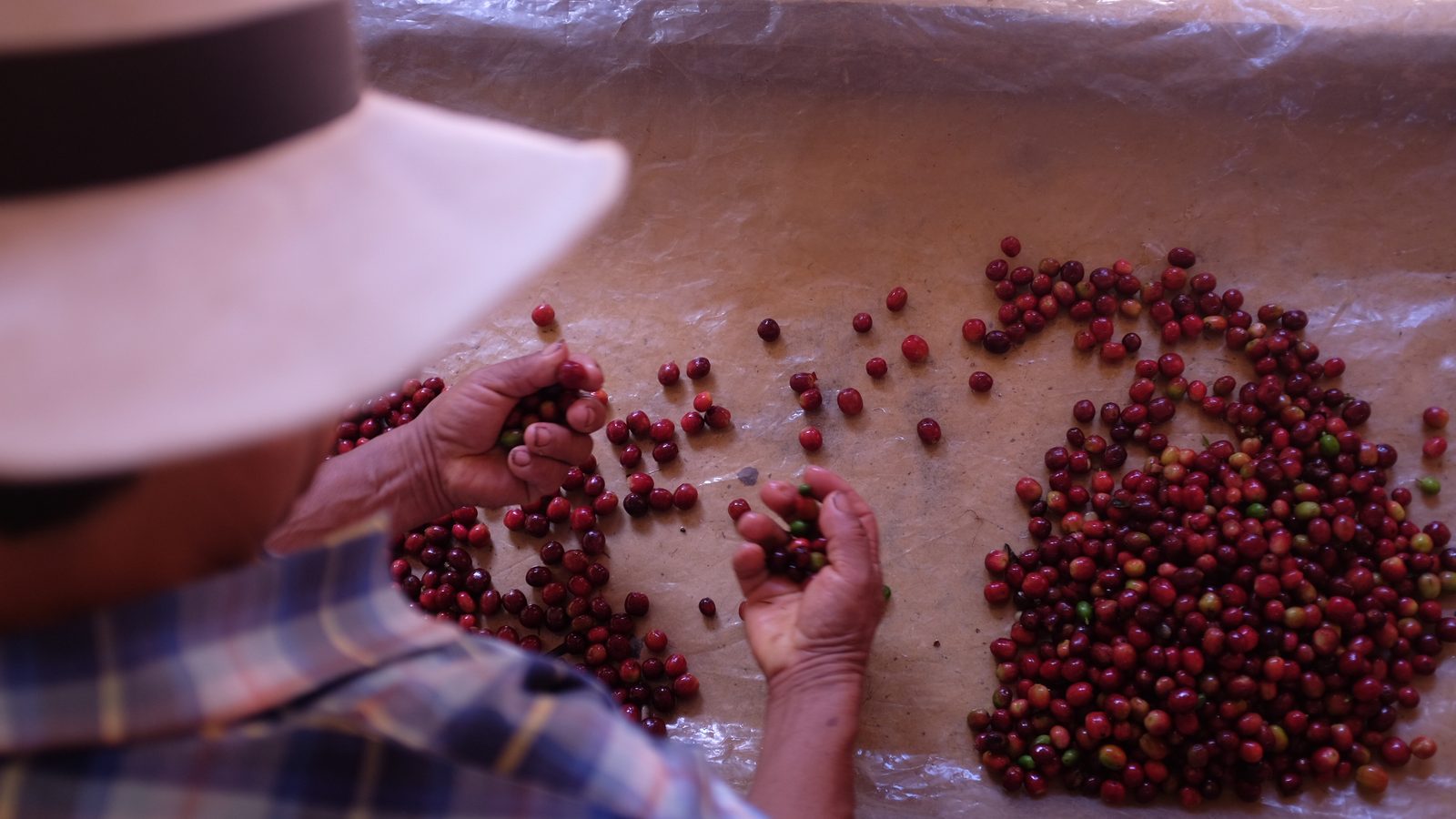
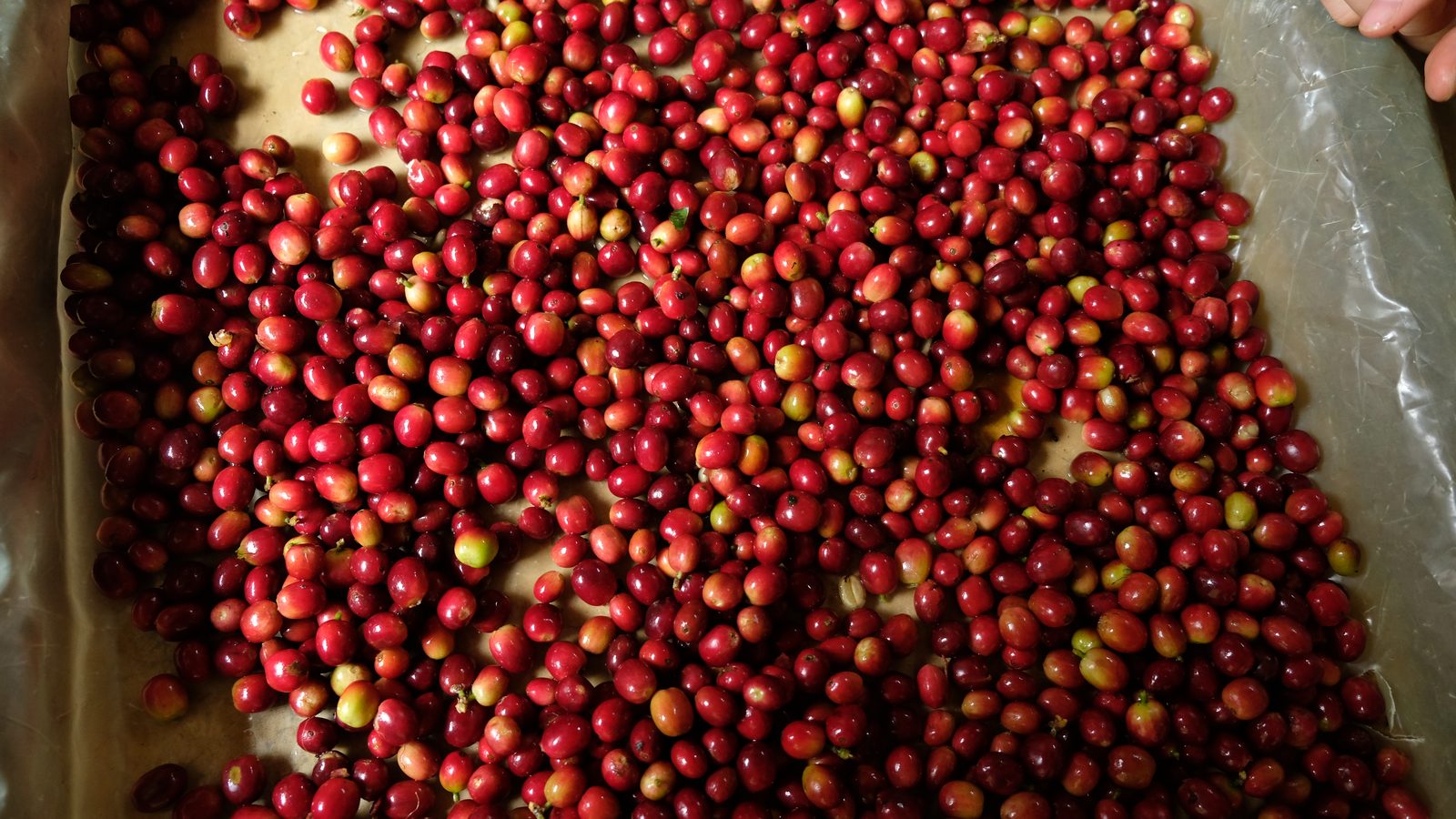
Coffee is the seed of a fruit. The fruit is called a cherry; when it ripens it turns red or yellow and tastes sweet, and each cherry holds two beans. Picking is finger work: you choose one cherry at a time, only the ripe ones, and leave the green ones on the branch for the next pass. That is why a single coffee plant is picked several times over one harvest.
On Pijao's mountain farms, picking is done by hand, with a basket, among coffee plants grown in the shade, and it is the picker's eye that decides which cherry is ready.
What happens after picking is called processing, and it starts the same day:
- Pulping: the skin and pulp are removed to free the bean.
- Fermentation: the beans rest so they can shed the sweet layer around them.
- Drying: the beans are dried until they can be stored.
- Roasting: the green coffee is roasted. That is where the smell we call "coffee" is born.
Every one of those steps changes the flavour in the cup. We go through them slowly, with processing and roasting cuppings, in From Cherry to Cup.
What happens to the beans that don't make the cut?
Harvest is also when the good beans are separated from the defective ones. That sorting explains something that surprises many visitors: in a country surrounded by coffee farms, people don't always drink the best coffee. Growers call the beans that fail the grade pasilla, and those beans often end up on the domestic market. We wrote about it in The truth about the coffee Colombians drink, and it is one reason we like travellers to buy their coffee straight from the person who grew it: you know exactly what you are taking home.
Want to experience it with us? WakeCup Tour Ask us on WhatsApp
What is Pijao coffee like?
Pijao's coffee is grown, on average, above 1,500 m, much of it in the shade of other trees, a traditional method that helps protect the farm's biodiversity. Many local growers have received technical training in quality from SENA, Colombia's national training service; they have been working with quality in mind for years, and several now sell their own brands.
Different varieties, adapted to these mountains, grow side by side in the municipality. On the farm, the guide and the grower explain why altitude and variety change what ends up in your cup, and that conversation lands differently when you have just had the cherries in your hands.
All of this takes place inside the Coffee Cultural Landscape of Colombia, a UNESCO World Heritage Site since 2011. The harvest is exactly what that listing protects: a way of life in which, every year, families organise themselves around ripe fruit.
How can you join the harvest on the WakeCup Tour?
The WakeCup Tour is our seed-to-cup day in Pijao: six hours, from 10:00 a.m. to 4:00 p.m., starting in the town square and riding a Jeep Willys up to Don Leo's farm. When the harvest is on, you pick with a basket alongside his family, learn to spot a ripe cherry and see the processing up close. Then come a country lunch, small-batch roasting with the growers and a cupping of specialty coffees.
Don Leo and his family grow, bag and sell their own specialty coffee at Villa Gloria, their farm in Pijao. Picking next to him in harvest season is not a tourist activity: it is joining a real working day.
What if I travel outside the harvest?
Come anyway. Since the trees produce all year, there is always fresh coffee on Pijao's farms, and the WakeCup shows the whole process even when it is not picking season: the cherry on the branch, the processing, the roasting and the cupping. How much you can pick depends on what has ripened that day; the rest of the day stays the same.
If you have more time and love the outdoors, the Nature Plan is a four-day route that combines the WakeCup with birdwatching or horse riding, a day in Salento and the Cocora Valley, and the San Vicente hot springs to finish. It works in any month.
Harvest, rain and peak season: planning your trip
Colombia does not have the four seasons, and in Pijao's town centre temperatures usually sit between 18 °C and 24 °C (about 64-75 °F). What does change is the rain:
- Rainy seasons: two a year, one from February or March to May and another from September to November, with short but heavy showers of one or two hours and a greener landscape.
- In between: the drier months, with clearer days.
Both harvests fall largely in rainy months. That is not a problem: our experiences are not cancelled because of rain; we adapt them. Pack a light rain jacket and comfortable shoes whatever the month.
Bear in mind Colombia's own holiday seasons too: Easter week, June and July, October, Christmas, New Year and long weekends. At those times accommodation in Pijao can be limited, so book ahead.
If you travel at the end of the main harvest, check the festival calendar. Pijao's anniversary festivities usually fall between May and June, with a parade of Jeep Willys through the streets, and the National Coffee Festival in nearby Calarcá has traditionally been held in late June or early July. Town halls set the exact dates each year, so confirm them before you book your flights.
How do I book?
Tell us your dates and we will tell you what you will find on the farm: the main harvest, the traviesa, or a day of processing and cupping. Travelling solo? You can join a departure on our group calendar.
Message us on WhatsApp with your dates and the number of people.
Keep reading
- What does a full day on a coffee farm actually look like? We walk through it in a real day on a coffee farm tour.
- To meet the farmer before you go up, read about Don Leo, Pijao's coffee farmer.
- To know what to look for in each sip, see our coffee tasting guide.
- Before you pack, read what the coffee region weather is like and what to bring.
- To stay among the coffee, read our guide to Hacienda El Percal.
- When you're ready to live it on the farm, the WakeCup Tour has the details and how to book.