A coffee tasting in Colombia really comes alive when you do it where the coffee grows, with the person who grew it: then the flavour in your cup has a farm, an altitude and a family behind it. On the WakeCup Tour in Pijao, in Colombia's coffee region, the tasting comes late in the afternoon on the farm, after picking coffee and watching small-batch roasting alongside the growers. For larger groups we also run modular tastings of about 40 minutes each, on processes, grades and roasts. Here is what you taste, what you learn and why coffee from these mountains tastes different.
What is a coffee tasting?
A tasting, or cupping, is a sensory experience: you taste coffee with attention in order to recognise its aromas, flavours and nuances. It is not an exam or an expert ritual. It is the difference between drinking a coffee and knowing what you are drinking.
What makes it special in Colombia's coffee region is the setting. Here the cup does not come from an anonymous bag; it comes from the hillside you have just walked. When the grower who produced the beans is sitting at the same table, coffee stops being a drink and becomes a story you can taste.
Most of the coffee we drink was grown, picked and processed by people whose names we will never know. In Pijao it is the other way round: the person who grew your coffee serves it to you, explains how it was processed and tells you about the farm while you drink it together.
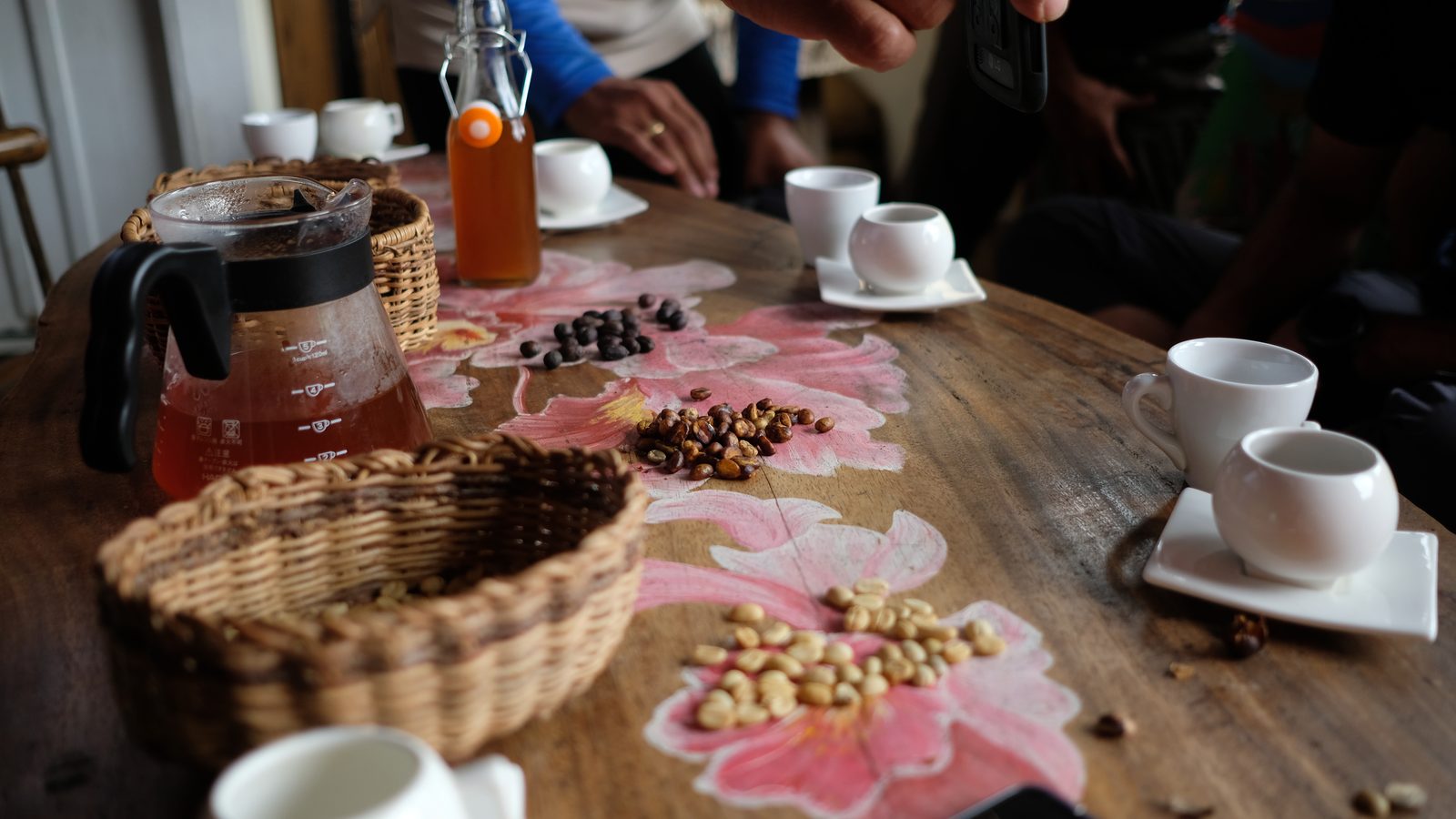
What is the tasting like on the WakeCup Tour?
The WakeCup Tour is six hours in Pijao, from 10:00 a.m. to 4:00 p.m., and the tasting is one of its high points. Before you reach the cup, the day covers the whole chain: coffee in everyday town life, the growers' co-operative where beans are bought and sold, and Don Leo's farm, reached by Jeep Willys.
On the farm you have lunch, pick coffee with a basket when it is harvest time, see the processing that follows the harvest and watch small-batch roasting with the growers. Only then comes the tasting of specialty coffees. With the whole journey behind you, the differences between one cup and the next make a lot more sense. That is why we say a cup of coffee is never the same once you have seen what lies at the other end of the chain.
The day ends at Café La Floresta, the coffee brand founded by Doña Orfilia, a local grower who adds value to her own coffee. Full details are on the WakeCup Tour page.
What do you taste? Three ways to look at a cup
For groups, the tasting is organised into three modules of about 40 minutes each. Each one looks at coffee from a different angle.
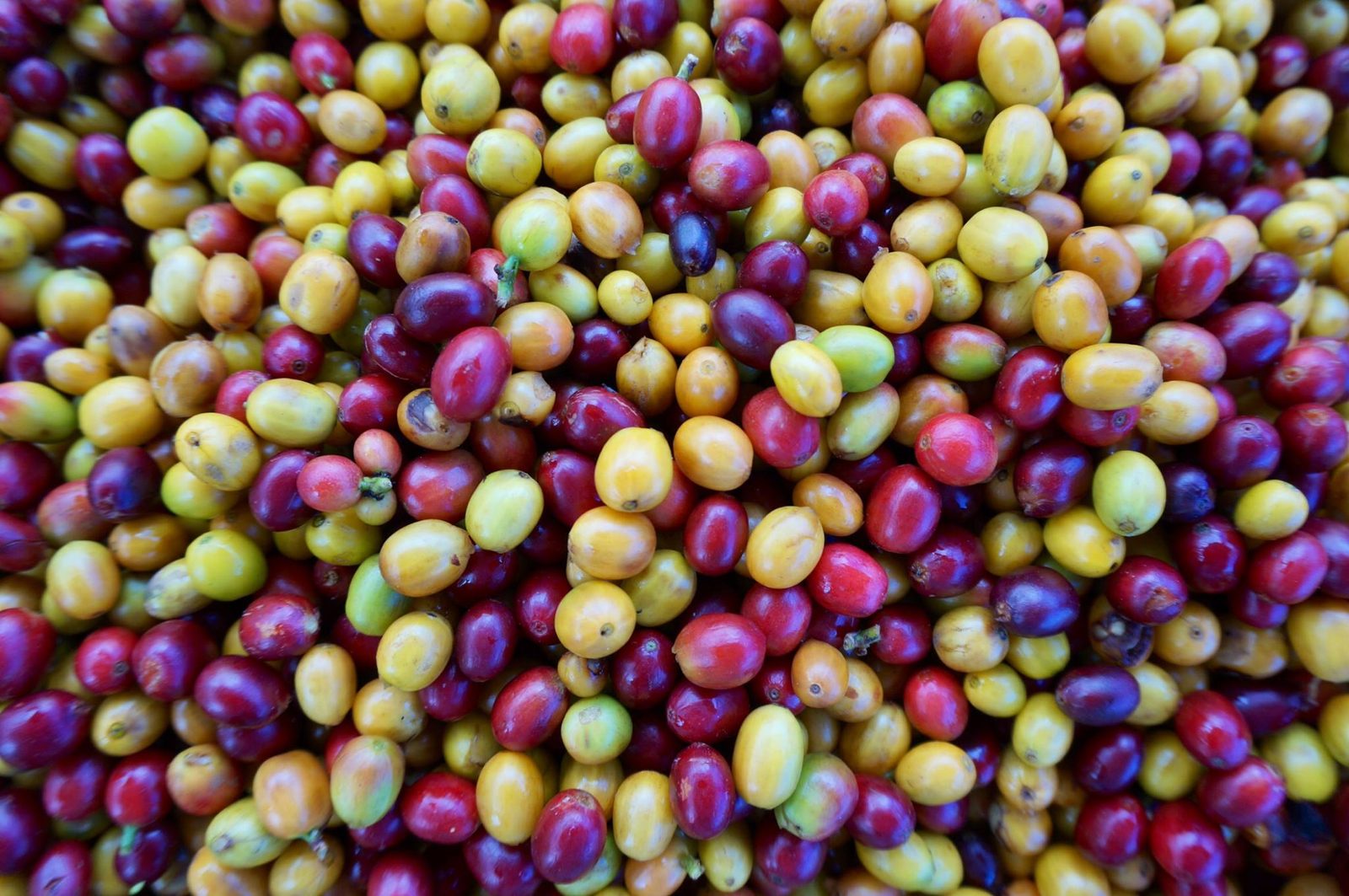
Processes: honey, washed and natural
This module walks through the history of coffee and the rise of specialty coffee in Colombia, and then puts three processes on the table: honey, washed and natural. They are three ways of handling the bean after harvest, and each leaves its mark on the cup. The tasting comes with a pairing to round it off.
Grades: specialty versus local market coffee
Here you taste, side by side, a carefully selected specialty coffee and a coffee made for the Colombian domestic market. The aim is to notice the subtleties of each cup and appreciate how varied coffee can be.
This module touches an uncomfortable truth we have written about: much of Colombia's best coffee is exported, and what stays at home is often what did not make the export grade. Tasting the two cups side by side is the clearest way to understand it. We tell the full story in The truth about the coffee Colombians drink.
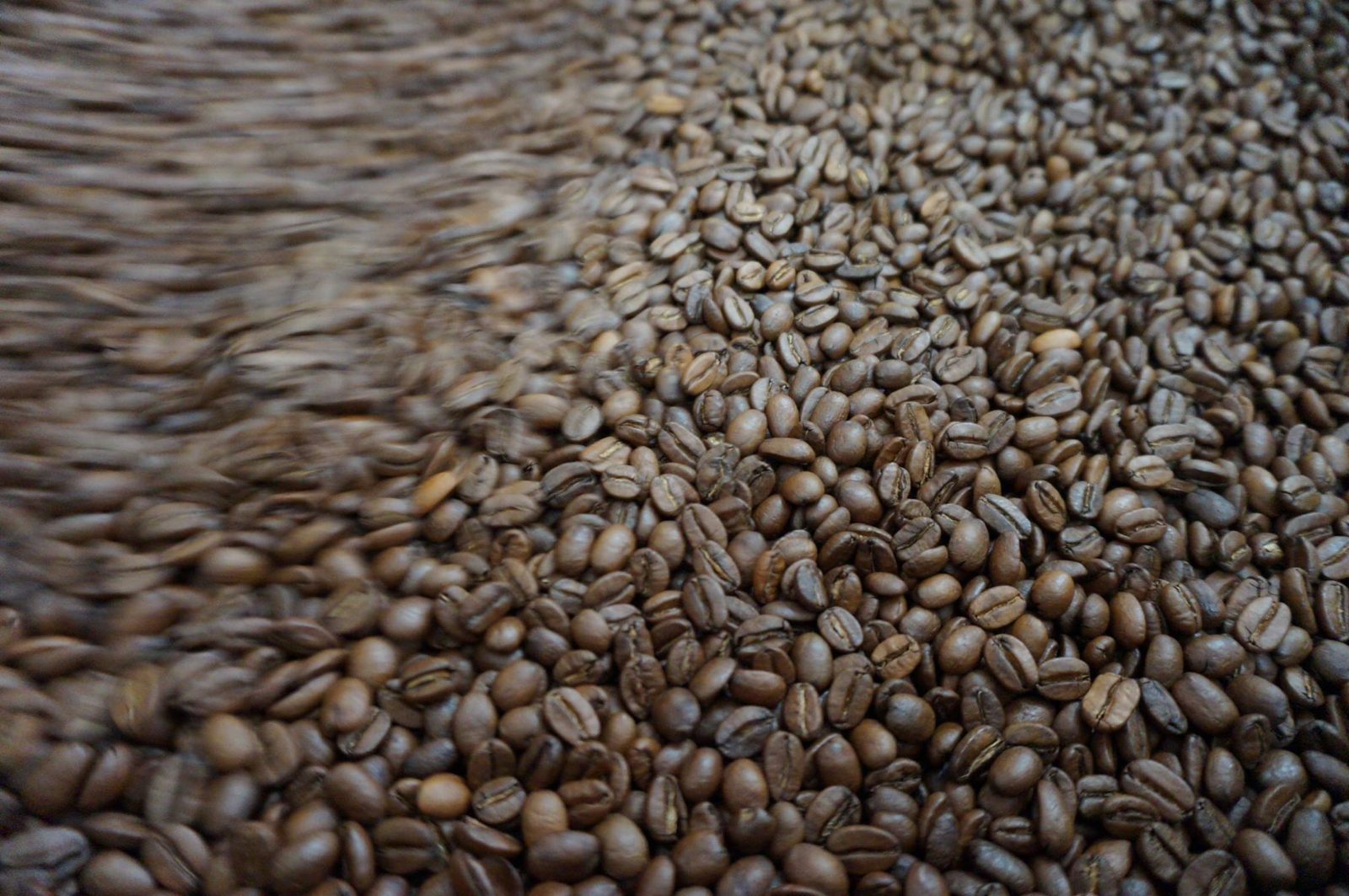
Roasting: three levels of the same coffee
The third module explores how roasting changes the flavour profile. You taste three roast levels of the same washed coffee, with experts guiding your palate, and find out which you prefer.
Why does coffee from Pijao taste different?
Pijao is in southern Quindío, inside Colombia's Coffee Cultural Landscape, a UNESCO World Heritage Site since 2011. Its coffee has traits you notice in the cup:
- Altitude. It is grown, on average, above 1,500 m above sea level.
- Shade. Shade growing is a traditional method that protects biodiversity and gives coffees with character.
- Varieties. The area has a wide range of coffee varieties adapted to local conditions.
- Processing. Pijao's growers have spent more than ten years developing processing methods with a focus on quality, and Colombia's national coffee school at SENA has brought technical quality training to every grower.
There is a practical point too: in the region the main harvest has traditionally run from April to June, with a smaller one towards the end of the year; each farm keeps its own calendar, so it is worth asking about the one you will visit. For the full journey of the bean before it reaches your cup, read From Cherry to Cup. To get to know the town and its landscape, see Pijao and the Coffee Region.
Do I need to know about coffee?
No. The tasting is designed for people who drink coffee every day without thinking much about it, and for those who already have a favourite brewing method at home. Experts guide your palate; all you have to do is smell, taste and ask. There are no right answers, only preferences you discover.
You don't even need to drink coffee to enjoy the day. Several guests who never touch it have told us the WakeCup Tour was the biggest surprise of their trip, because the day is as much about people, land and food as it is about coffee.
Tastings for groups and companies
The three modules are short and self-contained, so with large groups they are set up as stations and participants rotate between them. The order can change on the day so that everyone gets proper attention. It works well for work teams, celebrations and school or university groups, and it is priced to suit the size of the group. Our other day tours are on the Coffee Region tours page.
Can I take the coffee home?
Yes, and that is part of the idea. Along the way you buy coffee directly from the growers you have met: a direct purchase, with no middlemen, that carries the story of whoever grew it. Bring cash, the easiest way to pay them. Don Leo's online shop, cafedonleo.com, ships within Colombia only, so if you are visiting from abroad, buy on the tour and take it home with you.
How do I book?
The tasting is included in the WakeCup Tour, which runs all year and is booked with a 50 percent deposit. For a group tasting, tell us how many people, the date and the place, and we will put together a proposal.
Message us on WhatsApp and we will reply with availability.
Keep reading
- If you'd rather live it than just read about it, start with what a coffee farm tour in Colombia is really like.
- When you're ready to live it on the farm, the WakeCup Tour has the details and how to book.