The Cocora Valley and Salento are easy to enjoy in a single day if you start early, wear proper walking shoes and carry a rain jacket. Our "Salento and Cocora Valley" day trip lasts about seven hours, from 8:00 a.m. to 3:00 p.m.: we leave Salento for the valley to walk among the wax palms, come back to town for a lunch of trout and patacón, stroll through town, stop at a café for a short barista class and wrap up on Calle Real. Here is what to expect, what to pack and when to go.
What is the Cocora Valley, and why is everyone going?
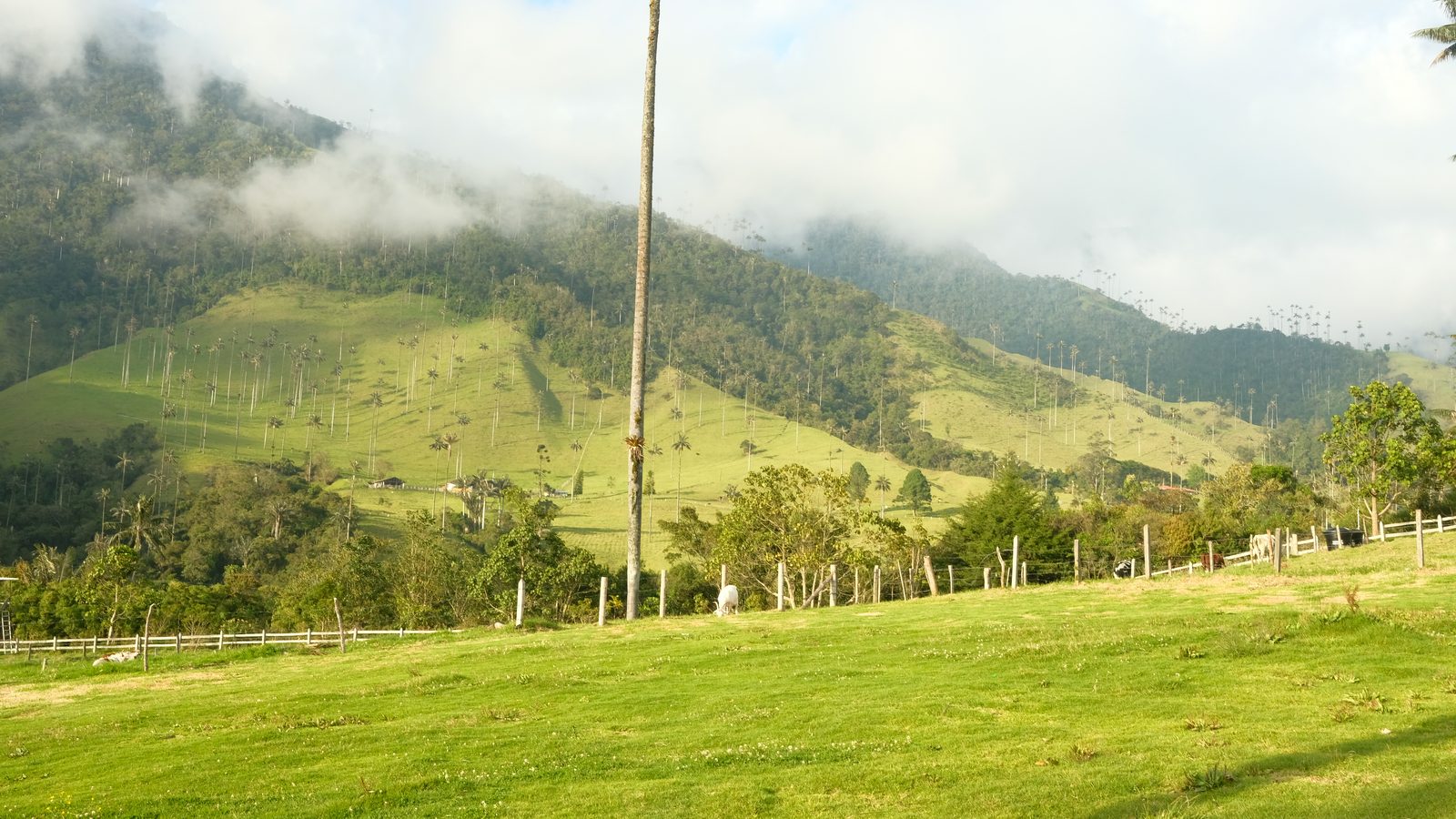
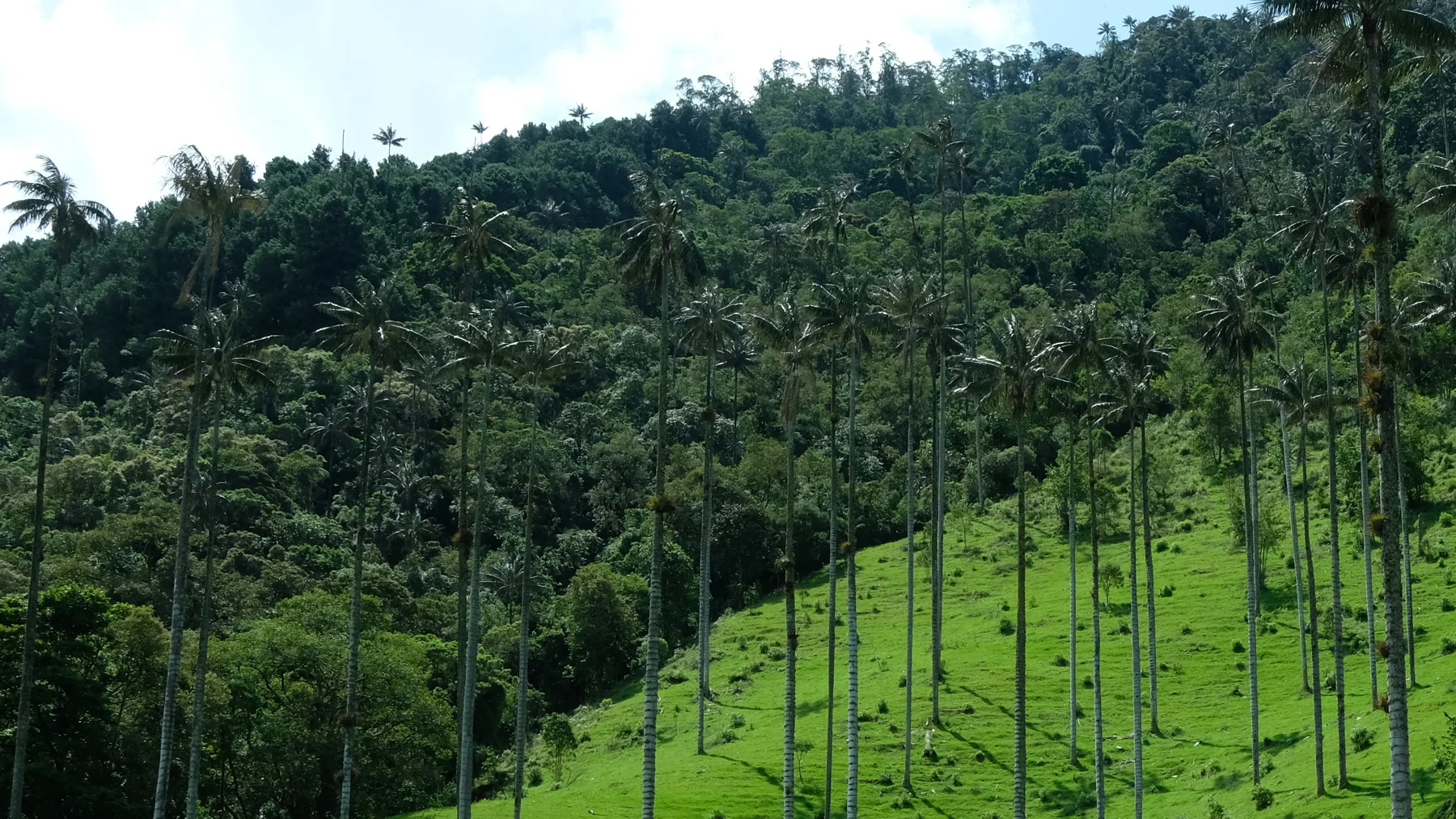
The Cocora Valley sits next to Salento, in the north of Quindío department, and it is one of the most iconic landscapes in Colombia: green pastures on the valley floor and slopes where wax palms rise to astonishing heights. The Quindío wax palm, Ceroxylon quindiuense, is Colombia's national tree and the tallest palm in the world. Standing among them, with mist drifting in, is an image that stays with you.
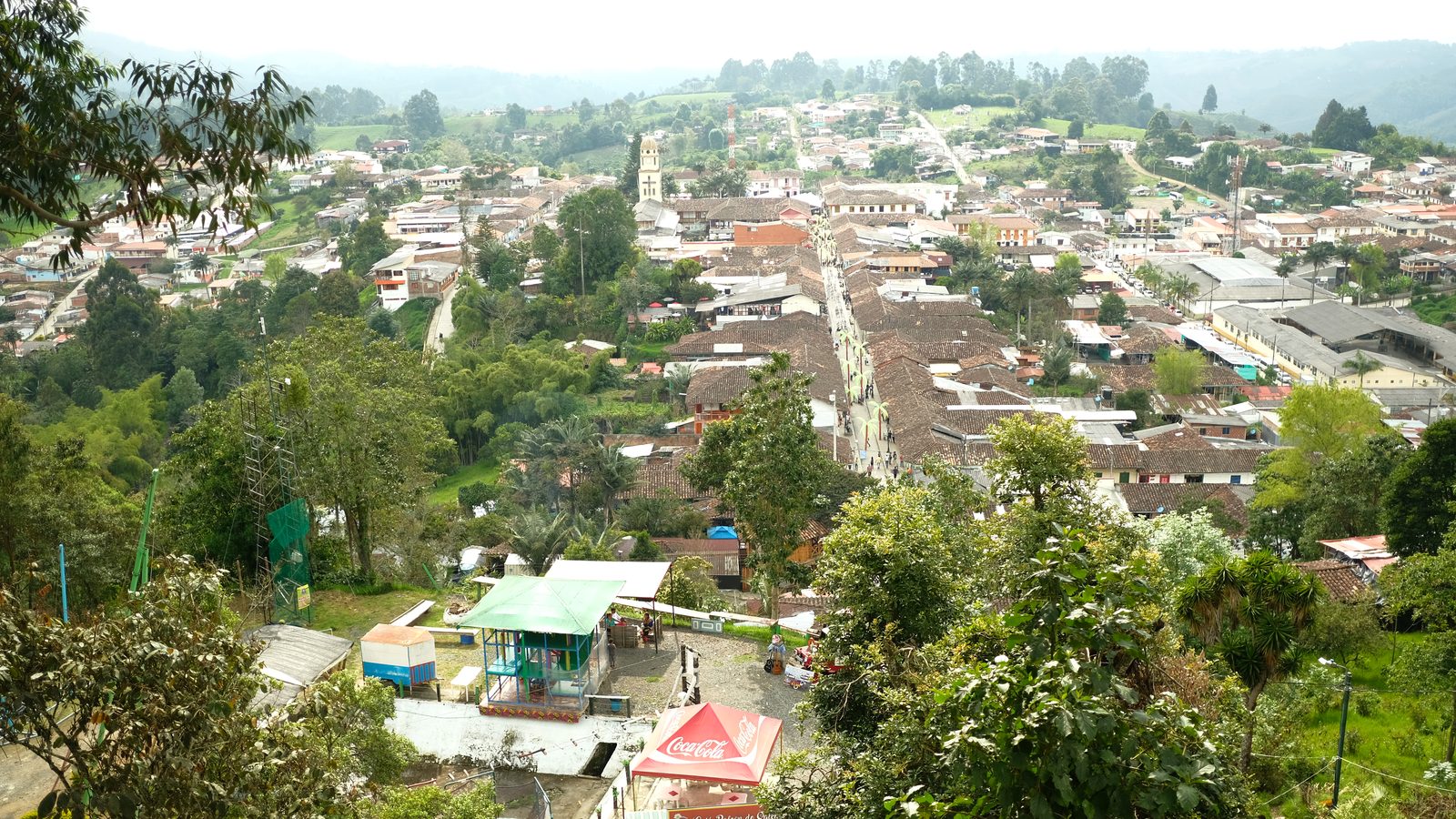
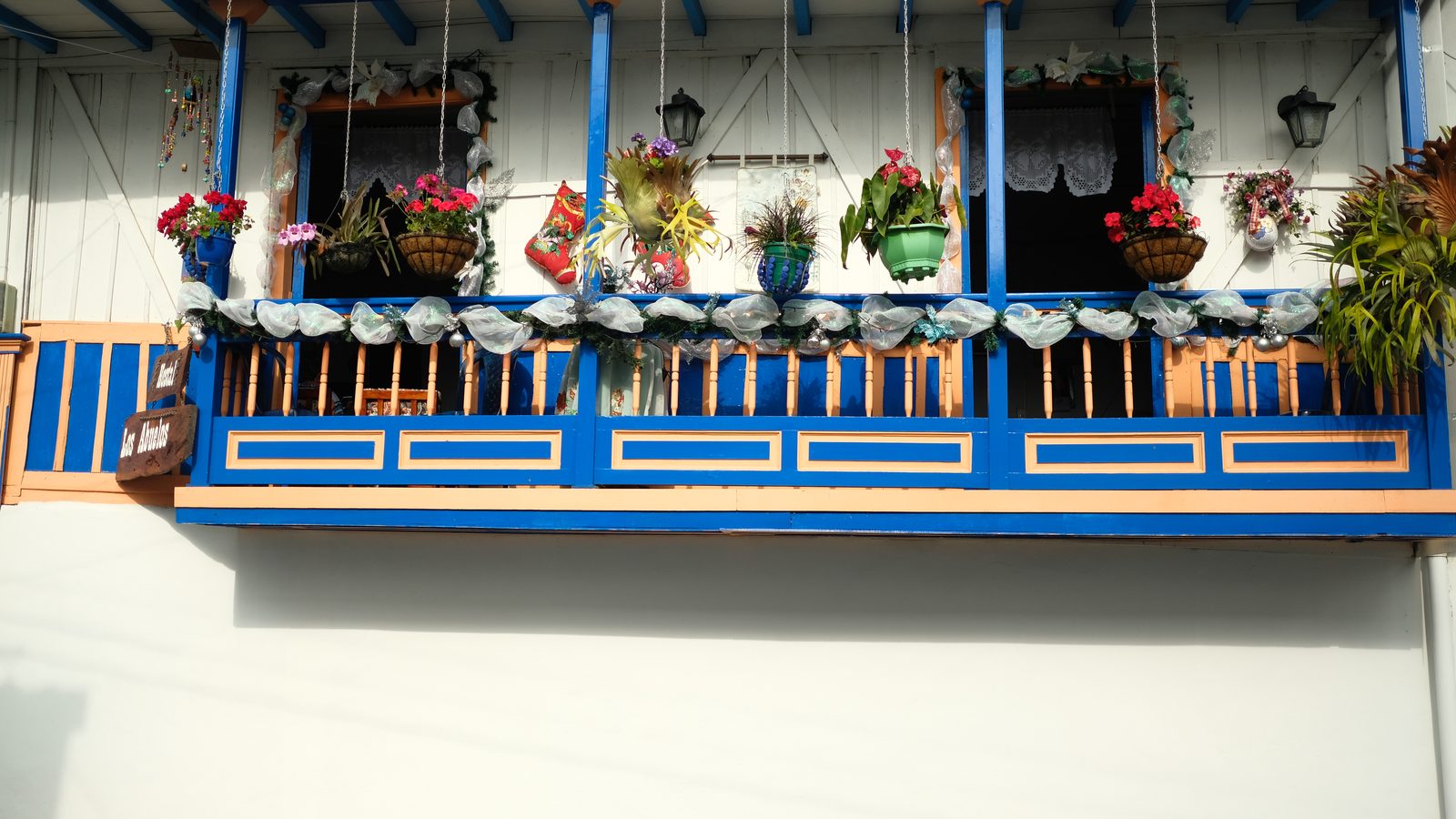
Salento is the gateway town. Its main street, Calle Real, is known for handmade crafts and for its colourful façades. It is also the most visited destination in Quindío, so it pays to know how to plan your day.
What does a day in Salento and Cocora look like with us?
We meet in Salento and head out to the Cocora Valley; transport between town and valley, there and back, is included. Our guides speak English and Spanish.
In the valley. The morning is for walking among the palms and taking in the landscape at an easy pace, with your guide on hand for questions.
Lunch. Back in town we eat what Salento is known for: trout with patacón, the fried green plantain you will see all over the region.
Calle Real. After lunch we walk through Salento, past painted façades and artisans' workshops selling their work along Calle Real.
Coffee. Next we stop at a local café for a short barista class, where baristas from the region answer your questions about coffee and how to brew it. The day wraps up on Calle Real, among painted façades and artisans' workshops.
The day ends around 3:00 p.m. Full details and current rates are on the Salento and Cocora Valley day trip page.
Is this a coffee tour?
No, and we would rather say so up front. It is a day of nature and small-town life, built around the wax palm and Salento's architecture. The barista class is a nice moment in the day, but it is not a farm.
If you want to understand coffee on a real farm, with the family that grows, picks and sells it, that is the WakeCup Tour in Pijao, in the south of the department. Ideally, do both: Salento for the scenery, Pijao for the coffee and its people. Many travellers combine them in our Nature Plan, which spends one day in Salento and Cocora, one on coffee in Pijao, one on birdwatching or horse riding, and the last at the hot springs.
How much walking is involved, and who can come?
The walk is among the valley's palms, at the group's pace. We recommend the tour for children aged six and up, precisely because of that walk, and we adjust the pace to whoever is in the group. If anyone has a fitness or mobility condition we should know about, tell us when you book.
If you enjoy longer hikes and want a quieter forest, read the section below on wax palms without the crowds.
What to pack for Cocora
- Comfortable walking shoes.
- A light rain jacket: the weather in Cocora can change quickly.
- Insect repellent and sunscreen.
- Some cash for shopping in town and for coffee.
Rain is part of life in these mountains. Our experiences are not cancelled because of rain; we adapt them.
When is the best time to visit Salento and the Cocora Valley?
The tour runs all year. The region alternates between drier spells, around the middle and the end of the year, and wetter months, when showers tend to arrive in the afternoon and mornings are usually clearer. That is why we walk the valley in the morning: the tour leaves at 8:00 a.m. and keeps the afternoon for town.
Timing matters in another way too. By mid-morning Cocora often has queues: buses, people waiting their turn for the photo, and trails where you are rarely alone. An early start helps.
Where can I see wax palms without the crowds?
The wax palm does not only grow in Cocora. In the mountains above Pijao, in southern Quindío, there is a sanctuary of century-old palms in high Andean cloud forest, at 2,400 m above sea level, a refuge for the threatened yellow-eared parrot. Our Wax Palms Expedition goes up there: a Jeep Willys ride from Pijao, a 4.5 km uphill hike through ferns, mosses and orchids, binoculars for birdwatching and lunch at a partner farm. It is rated moderate, and on most days your group are the only visitors.
It does not replace Cocora; it is a different, longer and harder day out. We compare the two in Pijao: The Same Wax Palms as Cocora, an Hour and a Half from Salento.
One question we hear a lot: we do not run trips to the Carbonera Valley. If you are after something less touristy than Cocora, the Wax Palms Expedition is exactly that.
How does Cocora fit into a longer trip?
Salento, as we put it on the tour page, is a cultural bridge between locals and visitors: a good place to start understanding the region. But if you have several days, it is worth looking beyond the north.
In the Nature Plan, for example, the Salento and Cocora day sits in the middle of the trip: day one is coffee in Pijao, day two birdwatching or horse riding, day three Cocora and day four the San Vicente hot springs. In other tailor-made itineraries we put Cocora last, so the end of the trip lines up with the transfer back to Armenia. And if you are short on time, two experiences on the same day are possible at a special rate that our team prices case by case.
How do I get to Salento?
Armenia, Quindío's capital, is the region's base city, with its airport, El Edén. The tour starts in Salento; the transfer from Armenia to Salento is not included, but we can arrange private transport if you need it. If you are staying in Pijao or Buenavista, we can also help with the ride north.
A practical tip: if you are heading south afterwards, to Pijao or Buenavista, bring cash from Armenia, because in those towns and their rural areas many payments are cash only.
How do I book?
The tour runs year-round and you book with a 50 percent deposit, paying the balance on the day. Solo travellers can join one of our scheduled group departures. Tell us your date, how many of you there are and whether you would like to add coffee in Pijao or the Expedition, and we will put the plan together.
Message us on WhatsApp and we will reply with availability for your dates.
Keep reading
- If you'd rather go with us, see the Salento and Cocora Valley day trip.